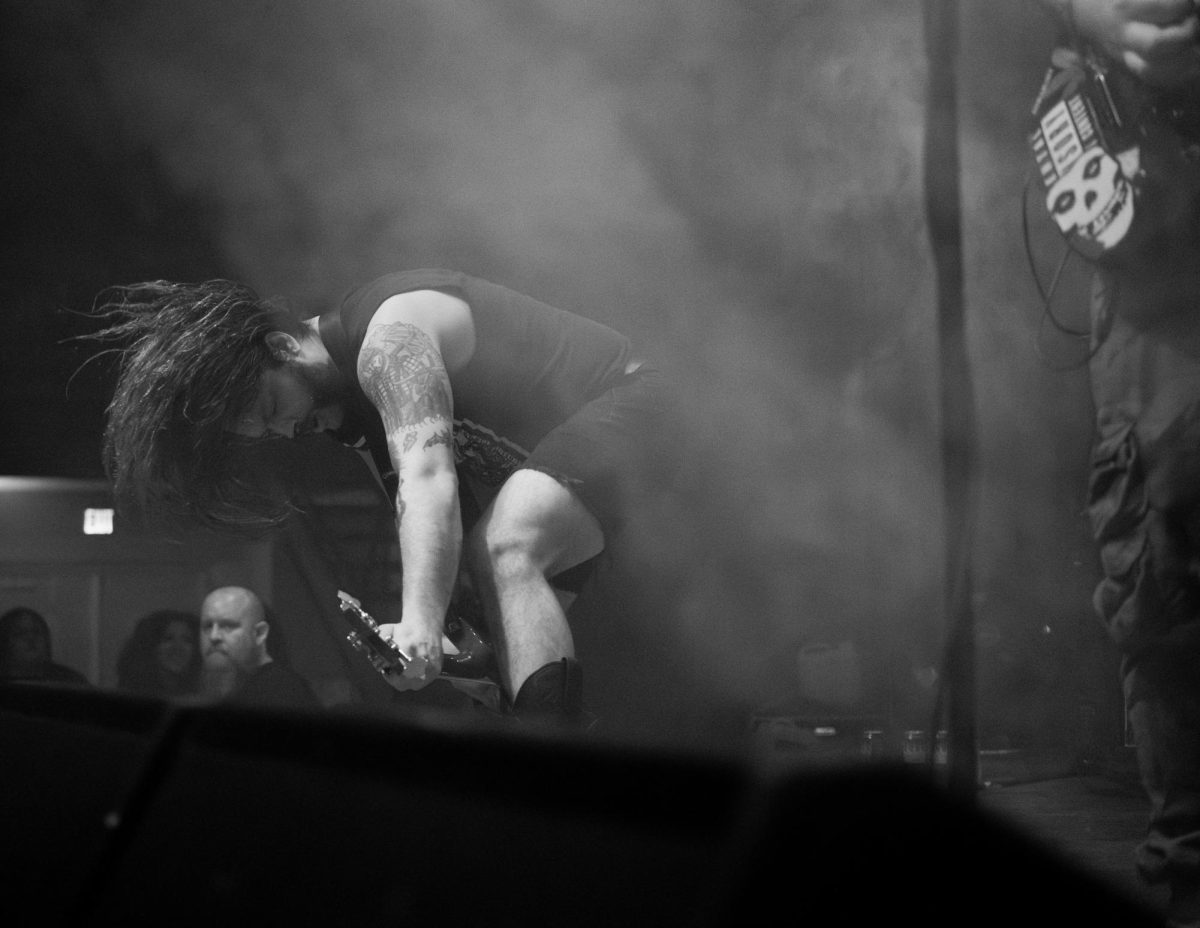
A little moment to spill my guts: I was a freshman in high school when I started listening to Metallica religiously. I was an angry kid who didn’t want to conform to the status quo, and I sought out other outlooks to express myself. It was the start of spring break, and I was completely burned out with school. I felt swallowed up by my bitter tasks and my mundane routine. So, out of chance, or perhaps by sheer destiny, I decided to surf the web looking for some high-octane and expressive music, and there it was: Master of Puppets. At first I was intimidated by it, like I was gazing into the eye sockets of the Grim Reaper itself, but when I heard the opening to the first track, “Battery,” with the sound of those acoustic strums invading the crevices of my mind, followed by that great, mighty explosion that destroyed my walls of negativity, I knew my world would never be the same again.
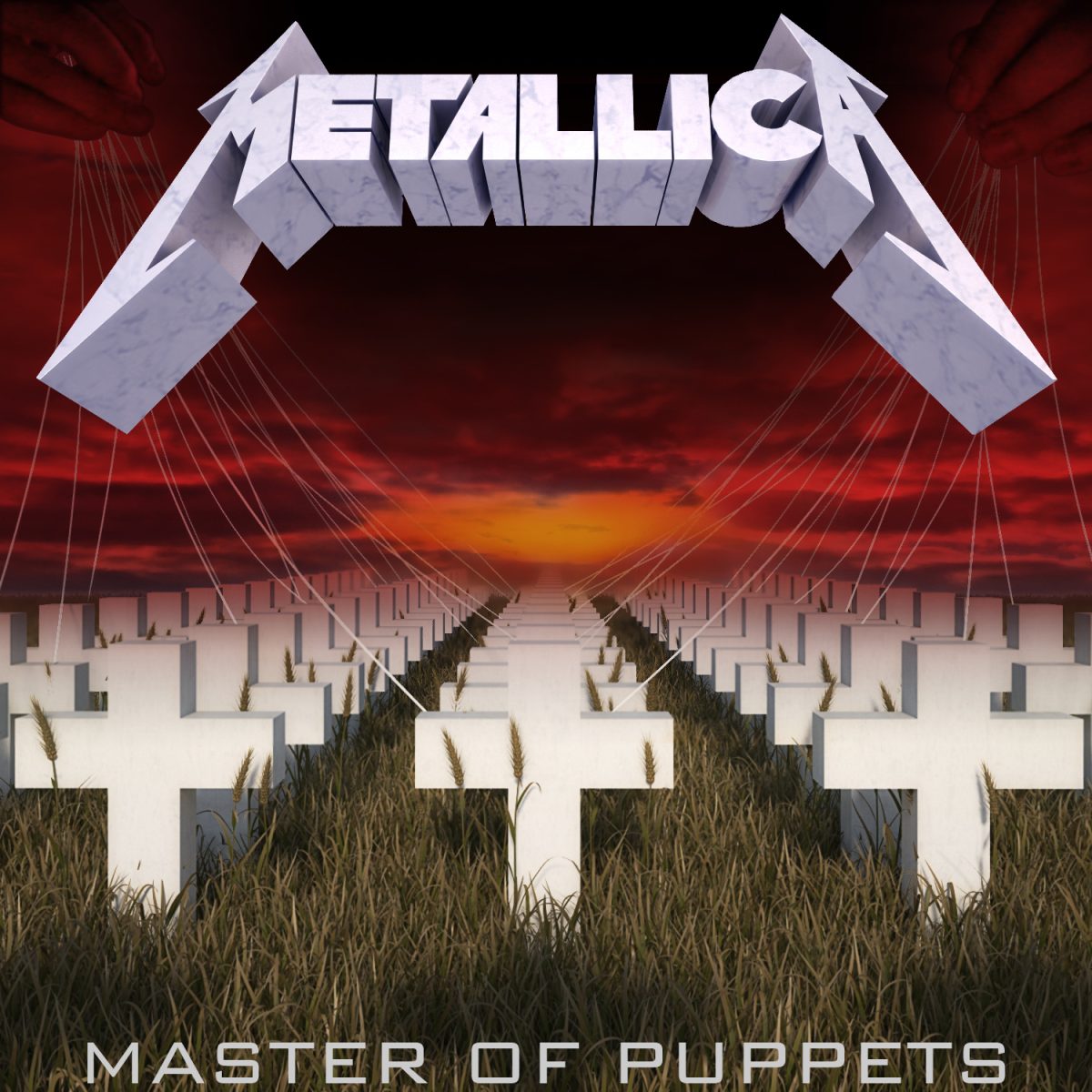
The Infancy of the Greatest Metal Album of All Time
It was the summer of 1985, right when Metallica was riding off the success of its second studio album, Ride the Lightning. The album itself was not especially successful in the mainstream, but in the indie and rock ’n’ roll scenes, fans ate it up. The band aimed to top itself with its next studio album. Flemming Rasmussen, Metallica’s former record producer, remarked on this in a March 3, 2016, interview with Rolling Stone Australia:
“The band aimed to ‘redo Ride the Lightning’ with better, longer, and more aggressive songs when producing the follow-up, Master of Puppets.”
They went above and beyond to top themselves from the year prior, so much so that, before recording the album, most of the band’s members pushed themselves even further. Kirk Hammett, the band’s lead guitarist, went back to study guitar under his old mentor Joe Satriani to see where he could improve. Lars Ulrich, the band’s drummer, also took drum lessons, improving his timing and his double-kick technique.
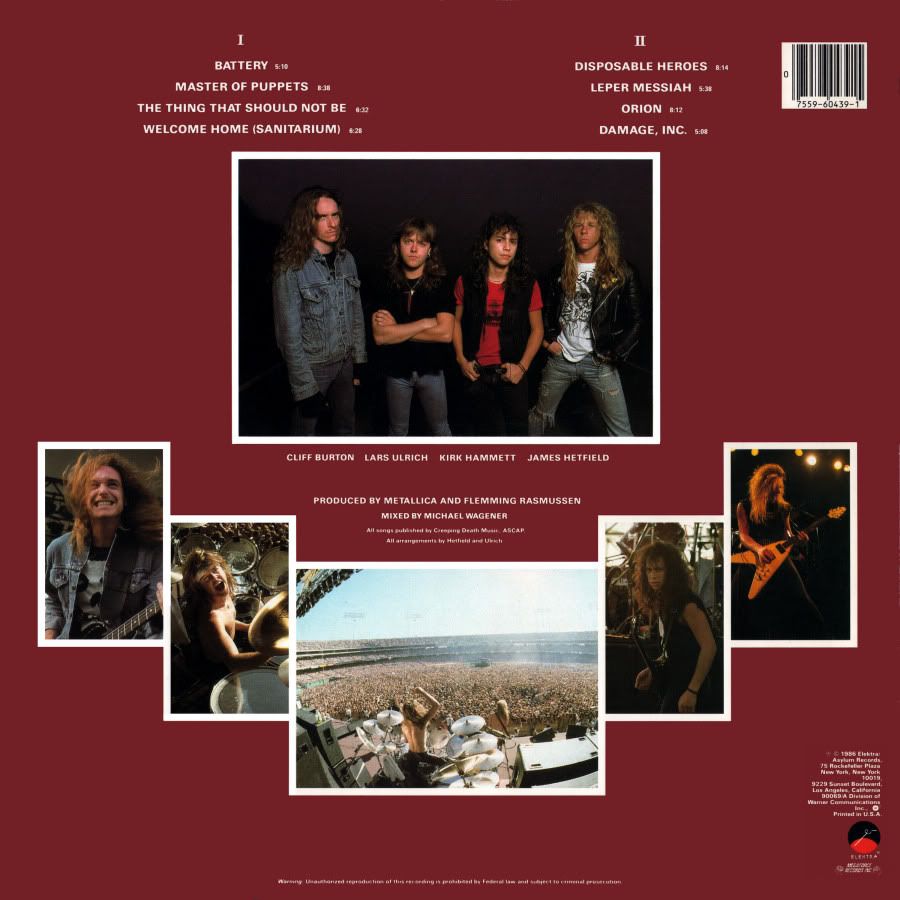
The Band Behind the Sound, With Rhyme and Reason
The tone and overarching narrative of Master of Puppets came from many inspirations. Most notably, the band looked toward fellow metal acts of the time. The New Wave of British Heavy Metal, especially bands such as Iron Maiden, Judas Priest, and Motörhead, had a huge influence on Metallica’s music as a whole. There were also elements of classic heavy metal thrown into the mix, like Deep Purple and Black Sabbath, as well as influence from the punk band the Misfits.
The Songs and Lyrics That Stuck It to the Man
A lot of the cultural themes of the time played into the narrative of Master of Puppets. For instance, the album’s title track, “Master of Puppets,” deals heavily with how drugs can control you, and how they can unknowingly become your unwilling master. James Hetfield, the band’s rhythm guitarist, co-founder, and lead vocalist, remarked in an interview with Thrasher magazine in 1988:
“Master of Puppets deals pretty much with drugs. How things get switched around — instead of you controlling what you’re taking and doing, it’s drugs controlling you.”
Another example of how the album takes jabs at culture is the song “Leper Messiah.” The song critiques the overflow of televangelists at the time and how many of them swindled their viewers’ minds and faith for the sake of money and power. Overall, the album’s overarching message is control, and how one can fall prey to it, whether through substance abuse, senseless authority, or a broken system.
One memory that sticks with me is listening to the album with a friend out in the middle of a snowstorm. I had the song “Orion,” the instrumental track on the album, playing, and there were many moments where we could have died, but we didn’t care. The song made us feel invincible, as stupid as that may have been. Normally, if it were any other circumstance or any other song, we probably would have turned around at the first sight of danger, but we didn’t. We persisted because of the sheer awesomeness of that song.
Another time, when I hit writer’s block, I put on the album and listened to it for an hour as it helped me tremendously with my self-doubt and anxiety, which pretty much left me lobotomized with uncertainty. But when it hit around the three-minute mark, it was almost like a miracle, and I was able to get down at least 10 pages that night. These songs, no matter the influence and no matter the impact on the culture, mean something to us. They can get us through even the darkest of times, or they can become the plague of your existence. I’m not sure. But I do know that the lyrics to these songs are a masterpiece in my eyes, and they fuel the passions of my own heart.
The Album That Became a Lasting Tribute
The album was released on March 3, 1986, and the reception was overwhelmingly positive among the mainstream, the metal and punk scenes, and music fans alike. During its first three weeks, the album sold more than 300,000 copies, and by the fall of 1986 it had reached the milestone of 500,000 copies, becoming the band’s first certified gold album. The album would also go on to reach platinum status, with those certifications issued by the RIAA. Unfortunately, this would be the last album to feature the band’s original bassist, Cliff Burton, who would die in a bus accident during the album’s promotional tour.
Cliff’s death deeply affected the band, and they had little time to process it before going back on stage roughly two months after the accident. The band’s tone notably changed as the narratives of its songs became more complex and deeper. Cliff Burton’s death represented the end of an era for both Metallica and the heavy metal world as a whole. Metallica is still relevant today, 45 years after the band formed, and it would go on to have many more smash hits. Master of Puppets would later be featured in movies, television, and pop culture alike. The most notable revival came through the sci-fi drama series Stranger Things in its fourth season, and not only that, but the album also became the first heavy metal album to be preserved by the Library of Congress.
The album is still alive and kicking, bringing generations of the past and generations yet to come together through immense passion and love for the band. In an interview on CBS Sunday Morning, James Hetfield, the band’s rhythm guitarist and vocalist, had the following to say: “It blows my mind that there are three generations out there, you know, rocking out to ‘Master of Puppets,’ like, really? You listen to that song?”
Even 40 years later, the album and Metallica as a whole have not been forgotten, and they are still twisting our minds and lashing our dreams.