Skip to Content
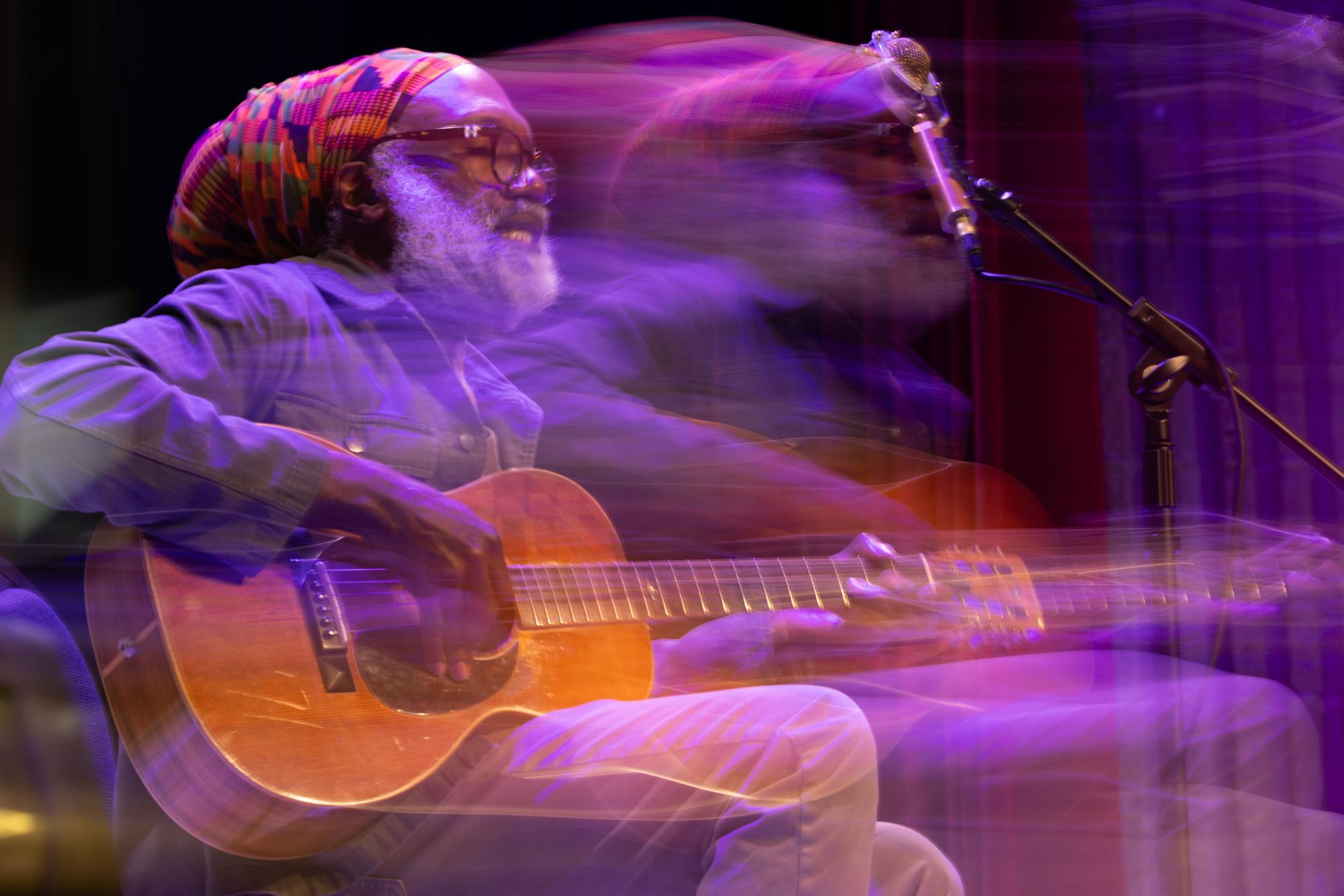
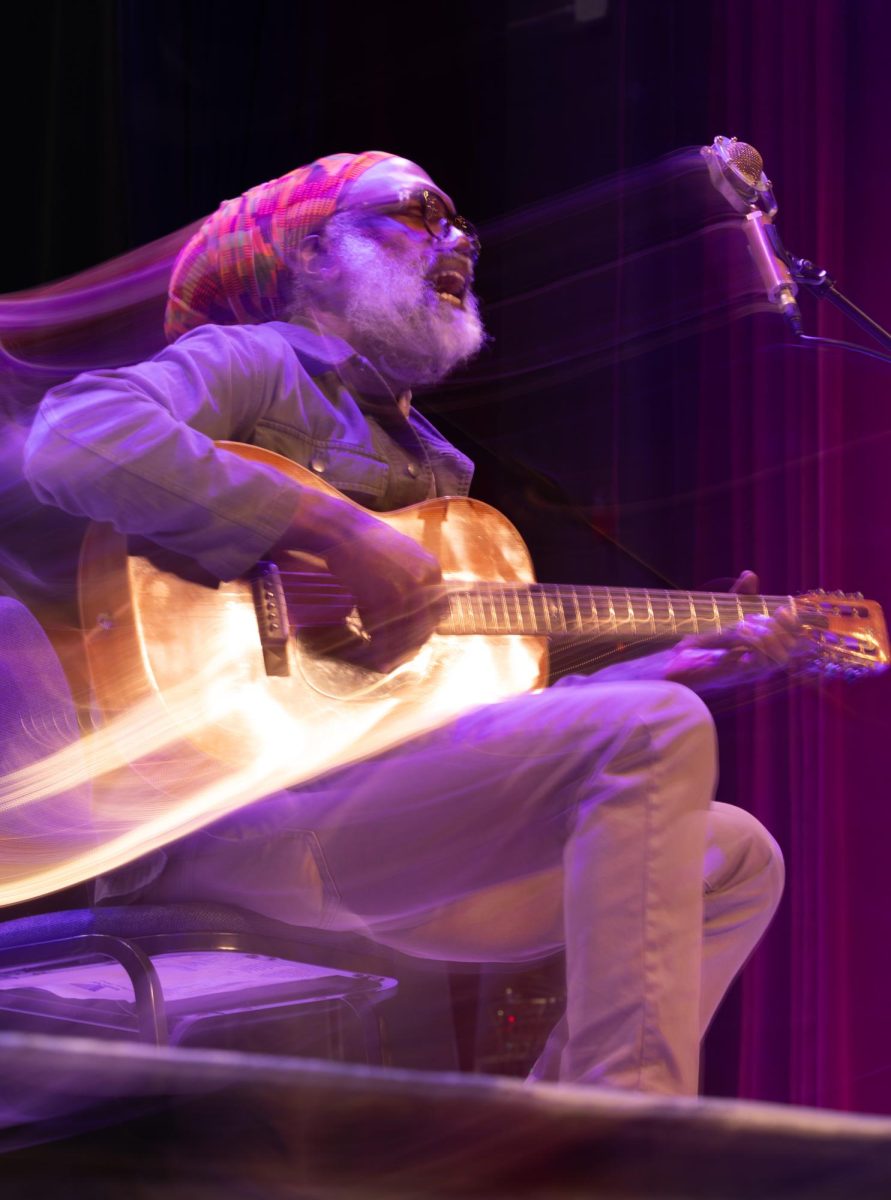
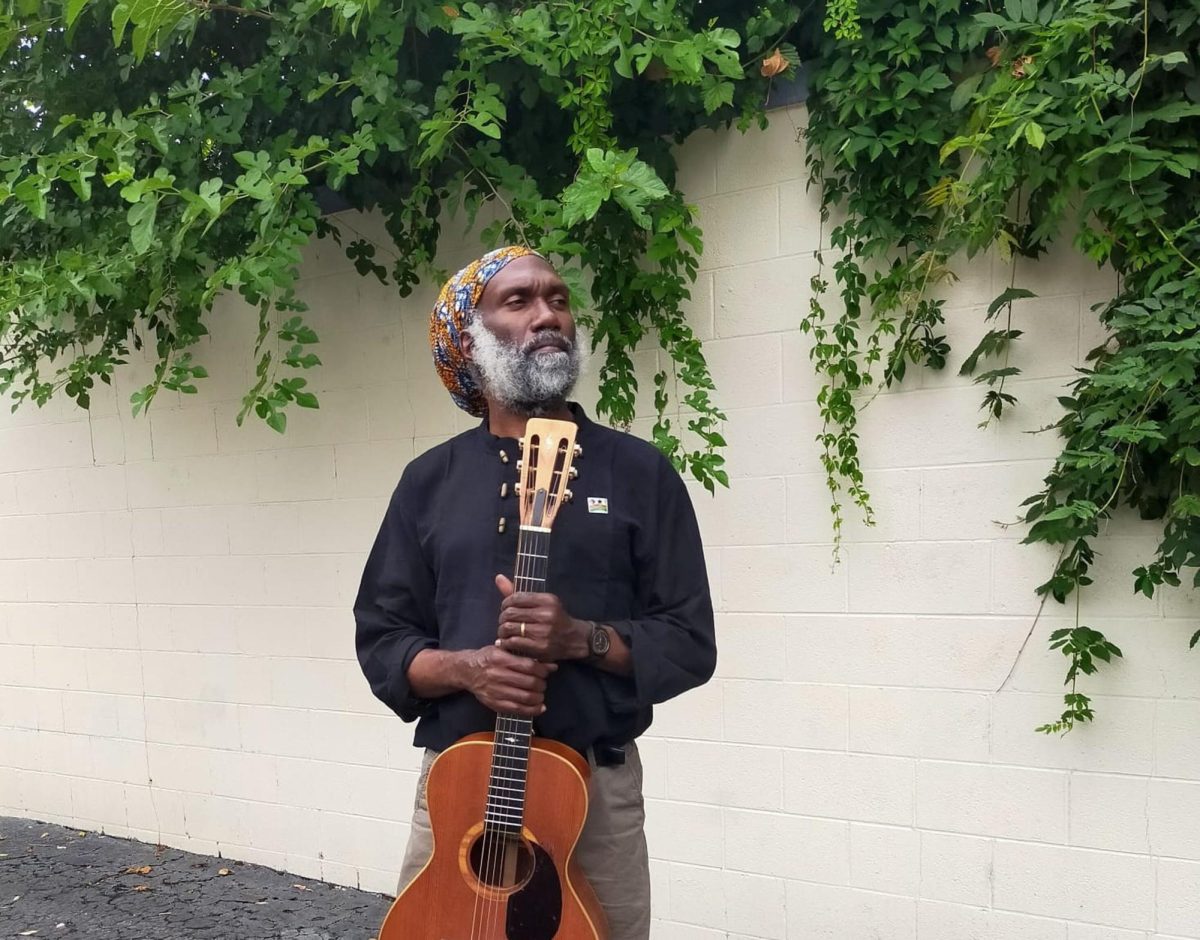
Corey Harris performs in O’Neil Auditorium during Blues the World Forgot Feb. 23 at John A. Logan College as part of the college’s Black History Month and Social Science Speaker Series. Harris discussed blues history, race records and artist exploitation before performing four songs
Elizabeth Ellis
Categories:

Corey Harris Examines Blues History, Exploitation and Artist Rights at JALC

The blues musician and University of Virginia PhD candidate discussed race records, artist exploitation and modern music business challenges, then performed four songs to a standing ovation in O’Neil Auditorium.

American blues and roots musician Corey Harris spoke at John A. Logan College Feb. 23 in O’Neil Auditorium as part of JALC’s Black History Month and Social Science Speaker Series, presenting a lecture and performance titled Blues the World Forgot.

Harris discussed record labels, the history of “race records,” the mistreatment of African American artists by music companies and the white appropriation of Black culture. During the Q and A, he emphasized the early role of women in blues, saying “the first blues that was popularized was really what would now be called urban blues,” and that it was led by “blues women” such as Mamie Smith and Ma Rainey. He also said labels later shifted toward rural audiences as Black listeners migrated from the South to northern cities like Chicago and Detroit.

Harris also addressed how little many artists were paid in the early recording era. “I don’t think anyone was making any money in the 20s at all,” he said. “Everyone was getting paid just a little, here’s 50 bucks, go ahead on.” He later pointed to Willie Dixon as a major example of an artist taking control of publishing and royalties, saying Dixon was “the first person to really show like, yo, musicians, we can take control of this business and do it ourselves and stop being robbed.”

Connecting the history to the present, Harris said many musicians still struggle with the business side of their work. “Even with the age of Google and AI and everything, people still don’t understand the basics of how contracts are written,” he said, calling it “one parallel” between past and present exploitation in music.

When asked about AI and songwriting, Harris said the trend was “dismaying,” adding that “a lot of us now can’t tell the difference between AI” and human-made work. He also urged younger musicians to protect their rights and their health while building a career, saying, “You gotta protect your intellectual property,” and “You got to take care of yourself.”

Harris also brought an academic perspective to the event. He is a PhD candidate in the University of Virginia’s music department, studying music analysis, history and criticism, while maintaining an international career as a guitarist, vocalist, songwriter and band leader.

He closed the program by performing four songs and received a standing ovation.

Donate to The Volunteer

Your donation will support the student journalists of John A. Logan College. Your contribution will allow us to purchase equipment and cover our annual website hosting costs.

More to Discover
Donate to The Volunteer